When a Sibling Dies Without a Will: Paige's Story
Paige's only sister died with no will. See how she got verified as next of kin, found an unknown account, and made sense of the debts.
July 31, 2026
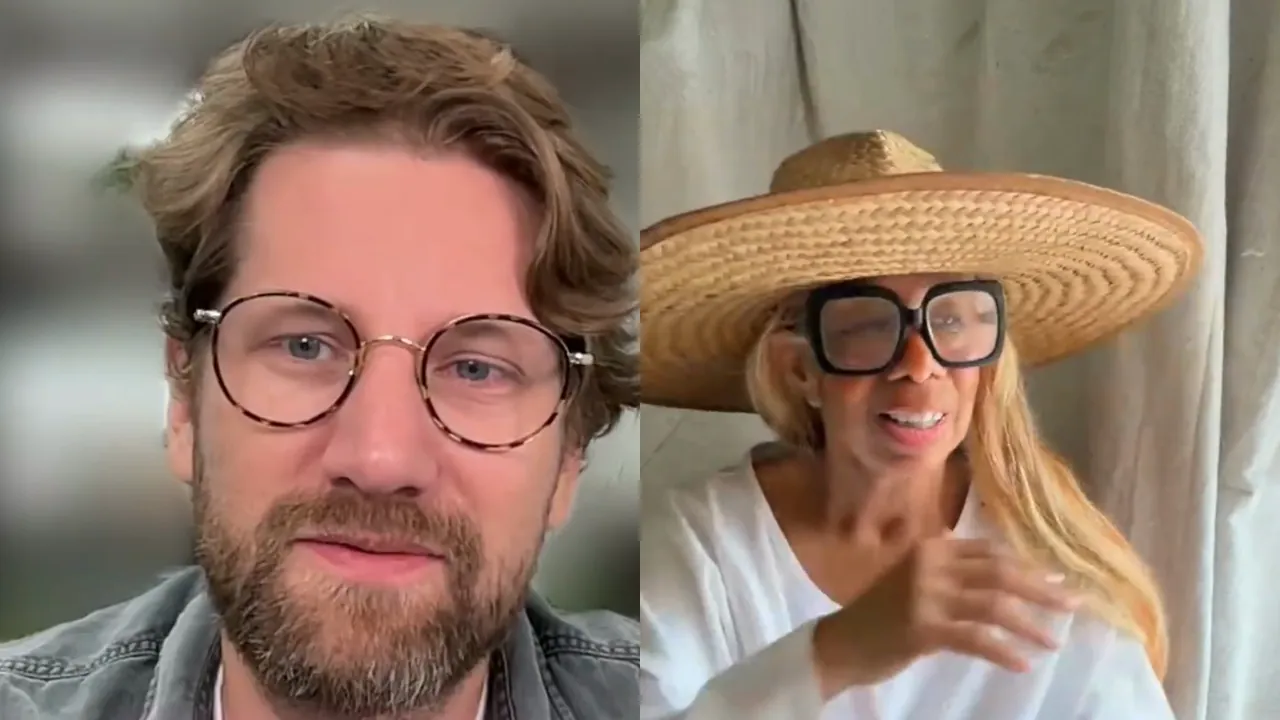
A real Sunset user shares what it was really like to settle her sister's estate.
Summary: Paige found out the same day her only sister died that she would be the one handling the estate. There was no will, and she did not learn that until two months in, after she had already cleaned out her sister's house. This is her story, in her own words: getting verified as next of kin, getting documents to a bank in another state, finding an account she never knew existed, and finally getting a clear picture of what her sister owed. If you have just lost a sibling and the whole financial side has landed on you, you are not the first person to feel lost, and there is a way through it.
Watch Paige's interview with Sunset founder Stephen Walter below, or read the full transcript at the bottom of this post.
"It looks like you're going to be handling it"
Paige is a portrait artist in Chicago, where she paints commissioned portraits (see her work here). Her sister was the organized one, the person who was prepared for everything. When she died, the responsibility for her entire financial life landed on Paige immediately, with no warning and no instructions.
"That day. My cousin, who was her landlord at the time, said, well, it looks like you're going to be handling it. I'm like, I am? How is that?"
The first months went to her sister's home and her belongings, not to paperwork.
"I was definitely a fish out of water, or a fish in outer space, because I had to take care of all of her personal things, cleaning that house out."
Then came the part she never saw coming. Two months into clearing out the house, going through her sister's belongings, she realized there was no will.
"I was shocked. I couldn't find a will. I was like, my sister doesn't have a will? That doesn't make sense. But there is no will."
She had assumed there would be one, because of who her sister was.
"My sister has always been a more organized, administrative type girl. She always is prepared for everything, no matter what. And she's my only sister."
When there's no will, the job starts with finding out what's there
This is the part almost no one is warned about. When someone dies without a will, the work is not just signing forms. First you have to establish that you have the authority to act, and then you have to find out what the estate actually contains. Bank accounts, investment accounts, life insurance, property, and debts can all be sitting out there with no central list and nobody to ask.
For a sibling, there is an extra step. You have to prove the relationship. State intestacy law decides who inherits when there is no will, and siblings are typically next in line when there is no spouse, no children, and no surviving parents. Institutions will still want documentation before they tell you anything.
Paige found Sunset by accident, three or four months after the death, in a Facebook ad.
"One of your advertisements flipped right past me. I was like, whoa, what was that? Sunset? What's that? That wasn't until like three or four months later. But it was perfect timing."
How Sunset helped
Sunset is built for this exact moment. It does the work of an estate that no grieving person should have to do alone:
- Verifies who you are. Signing up establishes and documents that you are the next of kin, which is what every bank will ask about first.
- Finds the assets. Sunset searches for bank, investment, and other accounts in the deceased person's name, plus property and unclaimed funds, so you are not guessing.
- Handles the paperwork. Letters, forms, and notifications are drafted for you, with the exact wording each institution wants.
- Notifies creditors and account holders. Sunset helps you tell banks, lenders, and card companies that the person has died, and close or transfer each account.
- Sets up the estate account. A single, FDIC-insured account to collect and distribute estate funds correctly.
For Paige, the relief started with the first email.
"Sunset was a lifesaver. It was like a mother going, oh baby, it's gonna be okay. It's gonna be okay. We'll take care of you. That's what Sunset did for me."
"I filled out the application and that verified that I was my sister's next of kin. And then I got an email from Sarah, and she said, hi, I'm Sarah, I'd love to help you with that. I could have just cried for days at that moment."
The hardest single task was a bank in another state that would only accept documents by mail.
"They required all these documents to be sent to them via mail. I was like, mail, who does that these days? I couldn't believe it. So Sarah said, well, I'll do a letter for you. I was like, wow, that was great."
She also had a record of every call, which mattered once the bank went quiet.
"The recorded phone calls to the bank. Priceless. Because you could keep a record."
"The banks are not urgent about this at all. You're like, hello, did you get my stuff I sent? We didn't even get a response. We eventually did. But we had to keep calling and saying, did you receive our paperwork via USPS?"
Her summary of the whole experience:
"Working with Sunset was like the mission impossible of this situation."
The account nobody knew about
The clearest proof that a search matters came when Sunset turned up an account that was not written down anywhere.
"Sarah found an account that my sister had that I had no idea that she had. And it wasn't written in any of her documents or anything like that. So that was surprisingly astounding."
"The service that you bring is something that we, the regular person, we don't have those resources."
This is the norm, not the exception. Most people have accounts nobody in their family could name, and there is no registry to look them up in.
A word about debt: you usually don't inherit a sibling's debts
The question Paige kept circling was debt.
"I was trying to figure out what are the debts that I owe for my sister. There was a huge concern about what are her debts that are open that we need to concentrate on that I don't know anything about. That was paramount."
Here is the important correction, and it applies to almost everyone in her position. Debts are paid out of the estate, not by surviving family members personally. In most cases you are not responsible for a sibling's credit cards, loans, or medical bills just because you are related. The exceptions are narrow, such as a debt you personally co-signed or an account you held jointly.
So before you pay any creditor out of your own money, confirm that you actually owe it. Collectors sometimes lean on grieving family members to pay debts they are not legally on the hook for.
Knowing which debts are closed matters just as much as knowing which are open. As Stephen put it in the interview, Sunset looks for credit cards, personal loans, and mortgages, finds the ones that are open and still carry a balance, and confirms the ones that are already closed, so you are not braced for a bill that is never coming.
What changes when the paperwork isn't yours to carry
The reason any of this matters is not administrative. It is that estate work arrives at the exact moment a person has the least capacity for it.
"It shocks your nervous system into stuck mode. And the only thing you can do is just put one foot in front of the other, if you can do that."
Asked whether Sunset let her spend that time thinking about her sister instead of about banks, Paige was direct.
"That's what it does. It relieves you. It allows you to breathe, because you're trying to do everything and not knowing what to do. You really created a temperature of exhaling."
"More than cookies and iced tea"
Paige raised something worth sitting with. After a death, the people around you want to help, and what they offer usually cannot touch the actual problem.
"A lot of people ask, during this process, is there anything I can do? No, no, go sit down. Go send me flowers, bake me cookies. But you, Sunset, yes, you can do what we really need."
She now hands Sunset to people before anything has happened to them.
"I pass it to clients, friends, because they don't know that they're going to need it at all. Even if nothing has happened, I pass it to them anyway. Because until it happens to you, you don't know that it's going to be a problem."
Key takeaways
- No will does not mean no path. Dying without a will, called dying "intestate," is common. State law and a clear process still let you settle the estate.
- The organized ones don't always leave a will. Paige assumed her sister had one and did not find out otherwise for two months. Check early.
- Establish next of kin first. As a sibling, expect to document your relationship before any institution will talk to you about accounts.
- Finding the assets comes first. You cannot settle what you cannot see, and unknown accounts are normal.
- Debt rarely passes to siblings. The estate pays valid debts. Confirm liability before paying anyone.
- Out-of-state banks are slow on purpose. Keep records of everything you send and every call you make.
- You should not have to do this while grieving. The point of handing off the paperwork is getting the room to grieve at all.
Frequently asked questions
What happens when a sibling dies without a will?
The estate is settled under the intestacy laws of the state where they lived. Those laws set who inherits, and when there is no spouse, no children, and no living parents, siblings are typically next in line. Someone still has to be verified as next of kin, find the assets and debts, notify the banks, and distribute what is left. Sunset can help you do all of that when there is no will.
How do I prove I'm the next of kin?
Banks and other institutions will ask you to document your relationship to the person who died, usually with a death certificate plus records showing you are the closest surviving relative. Sunset walks you through this as part of signing up, so you know what each institution will accept before you contact them.
Am I responsible for my deceased sibling's debts?
In most cases, no. Debts are paid out of the estate, not by surviving family members personally. Unless you co-signed a loan or shared a joint account, you generally are not liable. Confirm that you actually owe a debt before you pay any collector out of your own money.
How do I find bank accounts my sibling never told me about?
You can go through mail, tax documents, and old statements, but accounts are easy to miss, especially if nothing about them was written down. Sunset searches for accounts, property, and unclaimed funds in the deceased person's name, and looks for open and closed debts, so you are not relying on guesswork.
What if the bank is in a different state?
It does not stop you, it just slows things down. Out-of-state banks often insist on documents by mail and can be slow to confirm they received anything. Sunset drafts the letters for you and keeps a record of every call and mailing, so you have proof of what was sent and when.
What is Sunset, and what does it cost?
Sunset helps families settle a loved one's estate end to end: finding accounts and property, handling paperwork, notifying creditors, setting up an FDIC-insured estate account, and transferring assets to the people who inherit them. It is free for families.
Where to start if there's no will
If you have just lost a sibling and you are staring at the same blank page Paige was, Sunset can help you get started. We have helped more than 15,000 families find what their loved ones left behind, handle the paperwork, and close out an estate, with a free, FDIC-insured estate account along the way.
"Sunset becomes your mama in this instance. That mama that you always needed, to say, here, baby, don't worry, it's going to be okay."
Those are Paige's words about her experience.
Thank you to Paige for telling her story. She is a portrait artist in Chicago, and you can follow her work on Facebook.
This article shares one real Sunset user's experience and is for general information only. It is not legal advice. Laws vary by state; for advice about your specific situation, consult a qualified attorney.
Full interview transcript
Lightly edited for length and to keep the focus on Paige's experience with settling her sister's estate.
Stephen Walter: When did you find out you were going to be the one handling your sister's financials after her passing?
Paige: That day. That day. My cousin, who was her landlord at the time, said, well, it looks like you're going to be handling it. I'm like, I am? How is that? It was so new to me, but it was basically that day. And I was definitely a fish out of water, or a fish in outer space, because I had to take care of all of her personal things, cleaning that house out. So it just took me a little time. I'm so right-brained, and to do the logistics and the administrative stuff, it takes me a little time to get on board.
And if it wasn't for, I just happened to be on Facebook, and one of your advertisements flipped right past me. I was like, whoa, what was that? Sunset? What's that? And that wasn't until like three or four months later. But it was perfect timing.
So yes, I really saw that my sister did not have a will, but I didn't really know that until two months after cleaning and going through all of her belongings. I was surprised.
Stephen Walter: How could you know?
Paige: I know. I guess I thought, because my sister has always been a more organized, administrative type girl. And she's my only sister, so that's all I knew. It's like, wow, she always is prepared for everything, day to day, no matter what. I'm not sometimes like that. I just kind of wing it. I'm like, okay, what's gonna happen? All right, whatever.
And so I was shocked. I was shocked. I couldn't find a will. I was like, my sister doesn't have a will? That doesn't make sense. But there is no will.
Stephen Walter: So you started using Sunset. What happened?
Paige: Oh my gosh. Sunset was a lifesaver, because it was like a mother going, oh baby, it's gonna be okay. It's gonna be okay. We'll take care of you. That's what Sunset did for me.
I filled out the application and that verified that I was her next of kin, my sister's next of kin. And then I got an email from Sarah, and she said, hi, I'm Sarah, I'd love to help you with that. I could have just cried for days at that moment, because there were so many intricate things that I didn't do, like the letters to the bank, contacting the bank that was out of state, that was not in my state.
Sunset said, maybe contact them and find out what documents they require. And so I did, and they required all these documents to be sent to them via mail. I was like, mail, who does that these days? I couldn't believe it. So Sarah said, well, I'll do a letter for you. I was like, wow, that was great. I'm telling you, working with Sunset was like the mission impossible of this situation. Seriously.
Stephen Walter: That's awesome. I love to hear it.
Paige: By the way, I just want to say this. This service of Sunset, this is up there with the invention of the car, the invention of the airplane, the invention of internet. This pulls mankind together. This has never happened.
Stephen Walter: That's very nice of you to say. I know you've recommended it to a lot of people.
Paige: Yes, I have. All the time. This was the most extraordinary moment in my life. And I know that my sister would have really appreciated it. She probably would have said, thank God somebody's helping her.
Because it was like the recorded phone calls to the bank. Priceless. Because you could keep a record. And we had to just constantly do as the banks request. The banks are not urgent about this at all.
Stephen Walter: No, no. And they don't make it easy.
Paige: No. They just sit back, and you're like, hello, did you get my stuff I sent? We didn't even get a response. We eventually did. But we had to keep calling and saying, did you receive our paperwork via USPS?
Stephen Walter: Tell me more about what Sunset found that your sister owned that you didn't know about.
Paige: Yes, Sarah found an account that my sister had that I had no idea that she had. And it wasn't written in any of her documents or anything like that. So that was surprisingly astounding. It was like, wow. And so the service that you bring is something that we, the regular person, we don't have those resources.
Stephen Walter: One of the things I think is the most valuable with Sunset is we can find debts. So credit cards, personal loans, mortgages. We can find ones that are open and still have a balance on them, and ones that are closed just for peace of mind. Was that a concern for you while you were searching, and what happened?
Paige: Oh, absolutely. Because I was trying to figure out what are the debts that I owe for my sister. And when Sarah found that other account, that was so amazing. It was such a surprise. So yes, there was a huge concern about what are her debts that are open that we need to concentrate on that I don't know anything about. So that was paramount. It really was.
Stephen Walter: I hope that Sunset helped you be in a more reflective mood about your sister instead of being in a stressful mood. Does that make sense?
Paige: Absolutely. Thank you for saying that, because that's what it does. It relieves you. It allows you to breathe, because you're trying to do everything and not knowing what to do. You really created a temperature of exhaling.
Stephen Walter: So that you can get things done. That was really a big goal. People are in the middle of grief and they should be allowed to grieve. Instead, they have to work on paperwork and taxes and bank accounts. It's horrible.
Paige: I think it's kind of horrible too, Stephen. And that's why I think this is like the invention of the airplane. This is huge. You're going to help so many people just to feel better, and to be better, so they could breathe through this process.
And I was thinking about this. I know that a lot of people ask, during this process, is there anything I can do? No, no, go sit down. Go send me flowers, bake me cookies. But you, Sunset, yes, you can do what we really need.
Stephen Walter: I love it. When you told me that you recommend it to so many people, it occurred to me that when someone says, is there anything I can do, if you know about Sunset, you can say, here's something that's more than cookies and iced tea.
Paige: Yes. Exactly. Very, very well said. And that's kind of what I do. If people are like, well, here is Sunset. I pass it to clients, friends, because they don't know that they're going to need it at all.
Stephen Walter: Right, right.
Paige: So even if nothing has happened, I pass it to them anyway. Because I think until it happens to you, you don't know that it's going to be a problem.
Stephen Walter: Yes. When you heard your sister passed away, your first thought was absolutely not, oh gosh, I have to take care of all her finances.
Paige: Yes. It's so shocking. It shocks your nervous system into stuck mode. And the only thing you can do is just put one foot in front of the other, if you can do that. And it's so traumatic on your whole being, especially if that person wasn't ill or you weren't expecting it. Even if they were ill, sometimes you're still not expecting it.
Stephen Walter: No. That's right.
Paige: But Sunset becomes your mama in this instance. That mama that you always needed, to say, here, baby, don't worry, it's going to be okay.
Stephen Walter: Thank you so much for chatting with me again. I hope you're well.
Paige: I am well. And thank you so much for everything you all have done. You're so great.
Stephen Walter: And best of luck with your work.
Paige: Thank you. Thank you. You guys take care.