What Happens When Someone Dies Without a Will? (2026)
Learn what happens when someone dies without a will in 2026. Courts apply intestate succession laws to distribute assets to spouses, children, and heirs.
May 27, 2026
By Stephen Walter, Attorney and CEO
You know someone died without a will when the questions start piling up fast. What happens to bank accounts? Who gets the house? What about retirement accounts and life insurance? Courts follow intestate succession rules to decide, but first you have to find every account, and that step alone can take months.
TLDR:
- State intestacy laws decide asset distribution when someone dies without a will
- Spouses and children typically inherit first; if no relatives exist, property goes to the state
- Probate without a will takes 6-18 months and costs more due to court oversight and legal fees
- Sunset searches 2,500+ institutions to find bank accounts, life insurance, and retirement assets
- Most families find 100% of assets within 5-6 days using Sunset's tool
What Is Intestate Succession
When someone dies without a valid will, they die "intestate." The state then steps in with its own rules to decide who gets what. Those rules are called intestate succession laws.
Every state has them, and while details vary, most follow a similar priority order: surviving spouses first, then children, then parents, then siblings, and so on down the family tree. If no relatives can be found, the estate may pass to the state entirely through a process called escheatment.
The deceased's personal wishes carry no legal weight without a will. The state's formula applies regardless of what anyone believes the person would have wanted.
How Property Is Distributed Without a Will
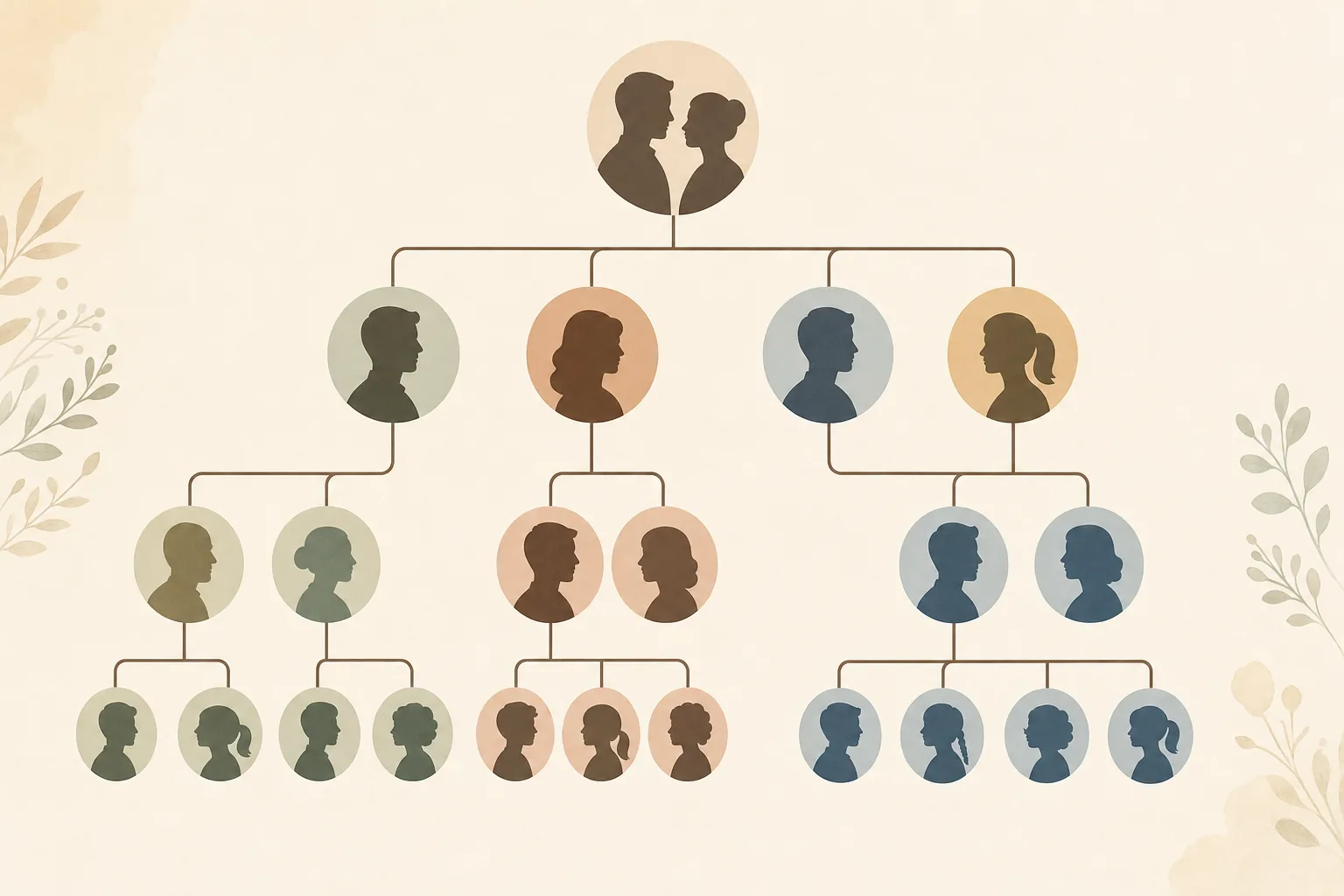
When someone dies without a will, state intestacy laws take over and decide who gets what. These laws follow a fixed hierarchy, generally putting spouses first, then children, then parents, then siblings, and so on down the family line.
The exact order varies by state, but the outcome is the same: a court decides distribution, not the deceased.
Here is how a typical intestacy hierarchy looks:
| Heir | When they inherit |
|---|---|
| Spouse | Usually first, though amount depends on whether children exist |
| Children | Share equally if no spouse, or split with spouse per state rules |
| Parents | Inherit if no spouse or children survive |
| Siblings | Next in line if parents are also deceased |
| Extended family | Cousins, aunts, uncles as a last resort |
If no living relatives exist, the estate escheats to the state.
What Assets Pass Through Intestate Succession
Not everything goes through intestate succession. Only probate assets, those titled solely in the deceased's name with no beneficiary designation, fall under state distribution rules. Everything else transfers independently.
Assets subject to intestate succession:
- Solely owned bank accounts without a POD designation
- Real estate titled in one name only
- Personal property, vehicles, and belongings
- Business interests with no succession plan
Assets that bypass intestate succession entirely:
- Accounts with payable-on-death (POD) or transfer-on-death (TOD) designations
- Jointly owned accounts or property, which pass directly to the surviving owner
- Life insurance policies with named beneficiaries
- Retirement accounts like 401(k)s and IRAs
Who Becomes the Administrator When There Is No Will
When there's no will, the court appoints someone called an administrator to manage the estate. This role carries the same responsibilities as an executor, but the court decides who fills it.
Most states follow a priority order:
- Surviving spouses are typically first in line
- Adult children come next if there is no spouse
- Parents, siblings, and other relatives follow after that
- If no family steps forward, the court may appoint a public administrator
Anyone granted this role must petition the probate court, post a bond in many states, and receive official letters of administration before they can act on the estate's behalf.
The Probate Process Timeline Without a Will
According to one study, 76% of Americans don't have a will, meaning most families face intestate probate with no roadmap. Courts require more oversight in these cases, and every eligible heir must be formally identified before distribution can begin. That step alone adds weeks or months.
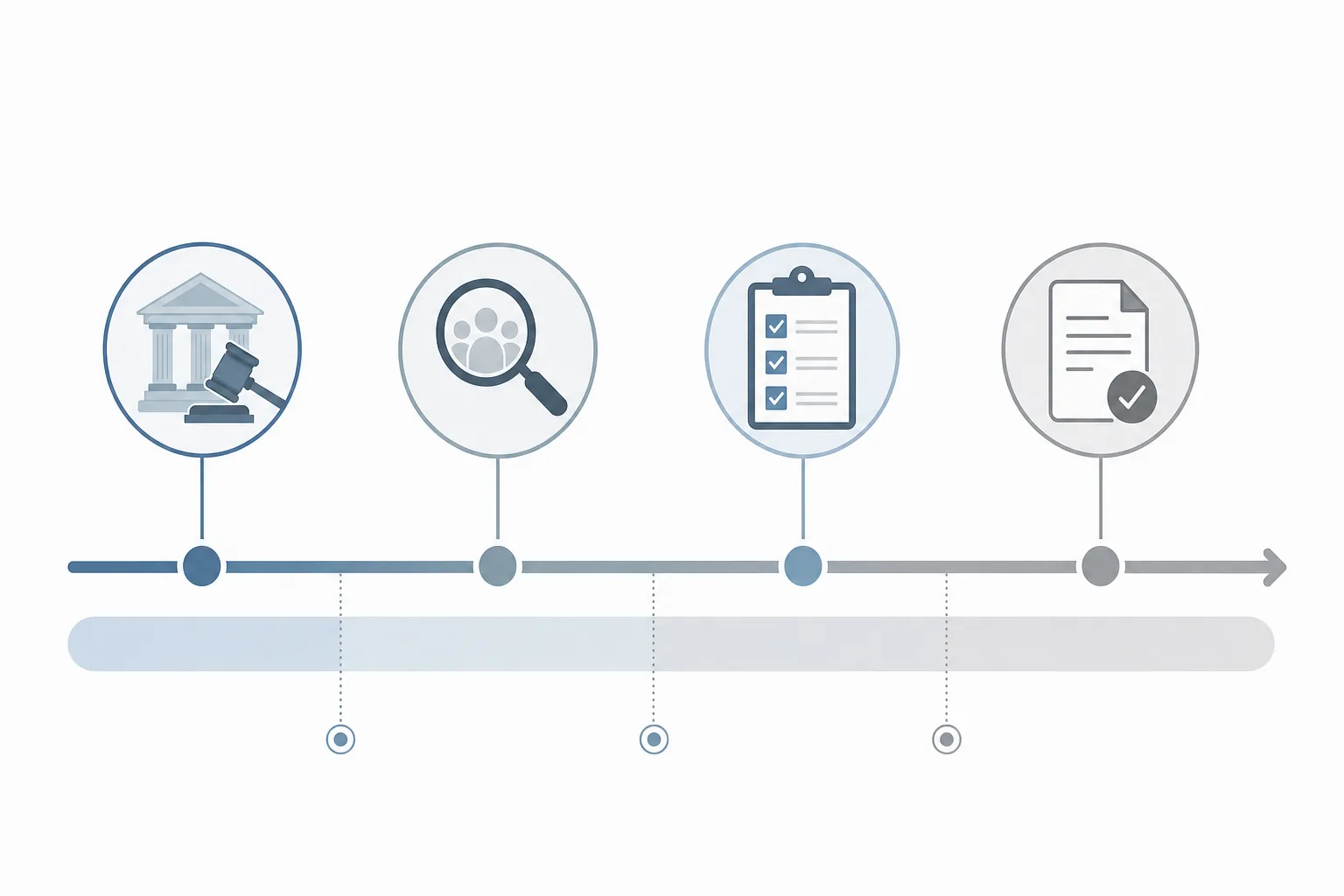
A rough timeline:
- Weeks 1-4: Petition filed with probate court, creditors notified, legal notice published
- Months 1-3: Court identifies and locates all heirs
- Months 3-6: Asset inventory completed, property appraised, debts resolved
- Months 6-18+: Remaining assets distributed per state intestacy law
Simple estates can close in two to three months. When heirs are scattered or assets are complex, 12 to 18 months is common.
What Happens to Specific Assets Without a Will
Different asset types follow different rules when there's no will, and the gaps can surprise families.
- Bank accounts with a named beneficiary or joint owner transfer directly, bypassing probate entirely. Accounts without either get folded into the estate and distributed under intestacy laws.
- Real estate typically passes to a surviving spouse first, then children. If the deceased owned property alone with no heirs, it can eventually escheat to the state.
- Personal belongings go through probate and get divided according to state intestacy rules, which rarely match what the deceased would have wanted.
- Retirement accounts and life insurance with named beneficiaries pass outside of probate regardless of whether a will exists.
What to Do When Someone Dies Without a Will
Getting organized quickly matters. Courts have deadlines, and assets can go unaccounted for without early action.
- Get multiple certified copies of the death certificate. Banks, courts, and government agencies each require their own.
- Secure the property and document all belongings before anything is moved or removed.
- Search for assets through mail, email, and any paperwork you can find.
- Identify all potential heirs, since courts need a full list before distributing anything.
- File a probate petition to open the estate and obtain letters of administration.
- Notify creditors according to your state's required notice period.
The Cost and Complexity of Settling an Estate Without a Will
Dying without a will reliably increases what settling an estate costs. Court filing fees, administrator compensation (often a percentage of the estate's value), attorney fees, property appraisals, bond premiums, and published legal notices all add up fast.
Longer timelines make it worse. An intestate probate running 12 to 18 months accumulates far more in professional fees than a well-planned estate that closes in weeks. Every extra month is another bill.
When Property Goes to the State
When property goes to the state, the process is called escheatment. It sounds alarming but rarely happens. Before any estate transfers, courts search genealogy records, publish legal notices, and trace relatives as distant as cousins. Some states continue searching for years. Only when that process finds nothing does property actually transfer to the state.
How Sunset Helps Families Handle Death Without a Will
When someone dies without a will, figuring out what they owned is often harder than the legal process itself. Sunset is a tool that helps families search for a deceased person's bank accounts, retirement accounts, life insurance policies, and other financial assets across 2,500+ financial institutions in all 50 states.
You don't need an attorney to get started. Upload the death certificate, and Sunset gets to work finding accounts. Nothing moves without your approval.
Visit hellosunset.com to start a free search.
Final Thoughts on Dying Without a Will
Most people die without a will, which means most families face intestate probate with no preparation and no map. Courts take over, timelines stretch to a year or more, and the first question is always the hardest: what did they actually own? You can answer that question faster than the probate process requires. Search for accounts free and we'll tell you exactly what we found and what we didn't across every major financial institution in the country.
FAQ
If a parent dies without a will who gets the house?
The house typically goes to a surviving spouse first, then children, then parents, then siblings based on your state's intestacy laws. If the house was jointly owned or has a transfer-on-death designation, it passes directly to the named person and skips probate entirely.
What happens to bank account when someone dies without a will?
Bank accounts with a named beneficiary or joint owner transfer directly to that person. Accounts without either are frozen and become part of the estate, distributed according to state intestacy laws after debts and taxes are paid.
Can I access my spouse's accounts if they died without a will?
Not immediately. You'll need to petition the probate court for letters of administration, which typically takes weeks to months depending on your state and whether there are other heirs. Even as a spouse, banks legally cannot grant access without proper court documentation.
What to do when someone dies without a will and no assets?
You may not need to open probate at all. File the death certificate with any relevant government agencies, notify Social Security, check for unclaimed property, and document in writing that no probate assets exist. Some states require a small estate affidavit even when the estate is empty.
Property transfer after death no will vs with a will?
Without a will, property follows your state's intestacy formula regardless of what the deceased wanted, and courts require more oversight before approving distribution. With a will, property goes to named beneficiaries and the process typically closes months faster with lower legal costs.