When a Parent Dies Without a Will: Whitley's Story
Whitley lost her mom with no will and no idea where to start. See how she found hidden accounts, handled the debts, and what you can learn.
June 18, 2026
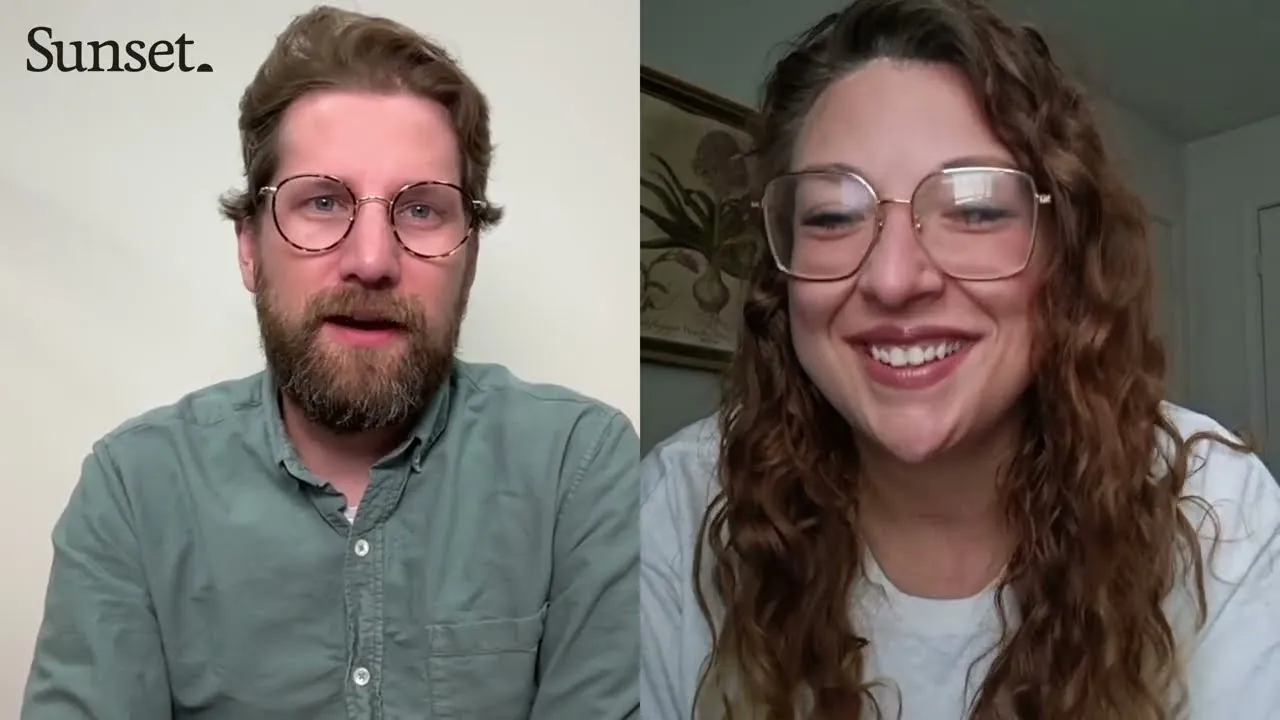
A real Sunset user shares what it was really like to settle her mom's estate.
Summary: When Whitley's mom, Tracy, died suddenly, she left no will and no instructions. Whitley had no idea where to start: she didn't know what accounts her mom had, what she owned, or what she owed. This is her story, in her own words, of finding hidden bank and investment accounts, discovering property she didn't know existed, handling surprise debts, and getting her mom a send-off that matched her wishes. If you've just lost a parent who didn't leave a will, you are not the first person to feel lost, and there is a clear path forward.
Watch Whitley's interview with Sunset founder Stephen Walter below, or read the full transcript at the bottom of this post.
"I lost my everything all in a matter of seconds"
Whitley grew up with just her mom. When Tracy died unexpectedly, Whitley was thrown into something almost no one is prepared for: becoming the person responsible for an entire estate, overnight, while grieving.
"It shook my whole world. I lost my everything all in a matter of seconds."
The first crisis wasn't even financial. Tracy was cremated, which is what she had wanted, but other relatives didn't know that. Whitley realized quickly that if she didn't step in, decisions would be made that her mom never would have chosen.
"I knew right then I had to do something, because they didn't even know what she wanted."
Then came everything else. No will. No list of accounts. No clear picture of what Tracy owned or owed.
"She didn't have a will. She didn't have anything. I didn't know what she had built. I didn't know if she had open accounts. So I just started Googling: what do you do?"
The hardest part of losing a parent: you don't know what you don't know
This is the piece almost no one warns you about. When someone dies without a will, the job isn't only signing papers. First you have to find out what the estate even contains. Bank accounts, investment accounts, life insurance, real estate, vehicles, and debts can all be sitting out there with no central list.
For Whitley, the surprises were real ones:
- An investment account she'd never heard of. Tracy had a DriveWealth investment account tied to her old trucking business. To even log in, you need the account number and details Whitley didn't have.
- Property in her mom's name. Sunset found a parcel of land roughly 28 miles away that Whitley didn't know existed, and that she may now be able to keep.
- Debts she had no record of, including a large auto loan.
"My mom had accounts that I didn't even know about. You found property in my mother's name that I didn't even know about."
Without help, she's blunt about how this would have gone:
"I wouldn't have found any of it. There would have been a lot just sitting there, rotting."
How Sunset helped
Sunset is built for exactly this moment. It does the work of an estate that no grieving person should have to do alone:
- Finds the assets. Sunset searches for bank, investment, and other accounts in the deceased person's name, plus property and unclaimed funds, so you're not guessing.
- Handles the paperwork. The forms and notifications that come with an estate are organized for you, with the exact wording to use.
- Notifies creditors and account holders. Sunset helps you tell banks, lenders, and card companies that the person has died, and close or transfer each account.
- Sets up the estate account. A single, FDIC-insured account to collect and distribute estate funds correctly.
What stood out most to Whitley was how little she had to figure out on her own. When she didn't know what to say to a company, Sunset gave her the script.
"You gave me everything I needed to know: how I needed to say it, how I had to address it."
"All I gotta do is click 'have Sunset help you.' And then it has this box of things, like, if they ask you this, you say this. It's so easy."
She also never had to sit on hold, retelling the worst news of her life to a customer service rep:
"You guys are the first people I reached out to for help. It made her death and all the responsibilities afterward so much easier, because I don't think I would have been able to handle it."
A word about debt: you usually don't inherit your parent's debts
One of the most important moments in Whitley's interview is also one of the most common misunderstandings after a death.
When a parent dies, their debts are generally paid out of their estate, not by their children. In most cases you are not personally responsible for a parent's credit cards, loans, or medical bills just because you're related to them. Exceptions are narrow, for example a debt you personally co-signed or a jointly held account.
So before paying any creditor out of your own pocket, confirm that you actually owe the debt. Collectors sometimes pressure grieving family members to pay debts they are not legally on the hook for.
Stephen Walter, Sunset founder and an estate attorney, told Whitley directly: it's very unlikely she's personally liable for her mom's debts, and she shouldn't pay until she's certain she owes them.
Whitley also learned that the auto loan she thought was simply gone could have been handled differently. She might have been able to keep the car and take over the payments, if she'd known her options in time. That's exactly the kind of thing an estate process is meant to surface before it's too late.
When should you start? After the goodbye, not before
A lot of people freeze, unsure whether it's "too soon" to deal with the financial side. Whitley's advice is simple and humane:
"After you say your goodbyes, after the funeral, take a few days to compose yourself, then reach out. They will take away all those problems."
There's no prize for waiting. The sooner an estate is opened and accounts are notified, the less mail piles up, the fewer late fees accrue, and the lower the chance that something is lost or quietly drained.
Key takeaways
- No will doesn't mean no path. Dying without a will (called dying "intestate") is common. State law and a clear process still let you settle the estate.
- Finding the assets comes first. You can't settle what you can't see. Unknown bank and investment accounts, property, and unclaimed funds are common, and findable.
- Debt rarely passes to children. Confirm liability before paying anyone. The estate pays valid debts; you usually don't.
- Ask before you act on big assets. A financed car or a piece of property may have options (keep it, transfer it, take over payments) that disappear if you wait.
- Start after the funeral. Grieve first, then open the estate promptly so nothing slips away.
- You don't have to do the accountant's job alone. As Stephen puts it, settling an estate is like a part-time job as an accountant for someone who's gone. Sunset is built to carry that load.
Frequently asked questions
What happens if a parent dies without a will?
Their estate is settled under the intestacy laws of their state, which set who inherits (usually a spouse and children). Someone, often an adult child, takes responsibility for finding assets, notifying creditors, and distributing what's left. Sunset can help you do all of this even when there's no will.
Am I responsible for my deceased parent's debts?
In most cases, no. A parent's debts are paid from their estate, not by their children personally. Unless you co-signed a loan or shared a joint account, you generally aren't liable. Confirm before paying any collector.
How do I find out what bank or investment accounts my parent had?
You can search through mail, tax documents, and old statements, but accounts are easy to miss. Sunset searches for accounts, property, and unclaimed funds in the deceased person's name so you don't have to rely on guesswork.
How soon after a death should I start settling the estate?
After the funeral and a few days to breathe. Starting promptly limits late fees, junk mail, and the risk of lost assets, and gives you more options on things like financed vehicles or property.
What is Sunset, and what does it cost?
Sunset helps families settle a loved one's estate end to end: finding accounts and property, handling paperwork, notifying creditors, setting up an FDIC-insured estate account, and transferring assets to the people who inherit them. It's free for families.
Where to start if there's no will
If you've just lost a parent and you're staring at the same blank page Whitley was, Sunset can help you get started. We've helped more than 15,000 families find what their loved ones left behind, handle the paperwork, and close out an estate, with a free, FDIC-insured estate account along the way.
"I appreciate you guys so much. My mom appreciates you, I know she does, because she would not have wanted all that burden on me. And you guys took the burden off my shoulders." — Whitley
This article shares one real Sunset user's experience and is for general information only. It is not legal advice. Laws vary by state; for advice about your specific situation, consult a qualified attorney.
Full interview transcript
Lightly edited for length and to keep the focus on Whitley's experience with settling her mom's estate.
Whitley: This is my mom. Her name is Tracy. She was very beautiful. She's all I ever had. She did everything she could to take care of me and love me as much as she could. She was a very sweet, very loving person. She'd give you the shirt off her back right there in the middle of the grocery store if you needed it.
When I lost her, it was very unexpected. I lived with her, and I'd had to leave the house for a couple of days. Then I got the call that she died, and it shook my entire world.
Stephen Walter: Did you realize you needed to be in charge of finding her assets and wrapping up that whole financial side of death?
Whitley: When her sister tried to take the reins and bury my mom, I knew right then I had to do something, because they didn't even know what she wanted. My mother was cremated. She wanted to be turned to ash, dust to dust; she believed in the Lord. So I knew, you don't even know what my mother wants.
And then my mom had so much debt and so many things going on, nobody knew where to begin. I was like, well, somebody's going to have to do something. So I got on the internet and started Googling: what do you do? She didn't have a will. She didn't have anything. I didn't know what she had built, I didn't know if she had open accounts. I just knew she was sick and needed help.
Stephen Walter: Can you tell us if Sunset was helpful in doing all that?
Whitley: Majorly. My mom had accounts I didn't even know about. She had a DriveWealth account, some kind of investment account, which I believe you guys might still be working on for me. It makes sense, because my mom had a trucking company in the past, several of them. But with DriveWealth you have to know the account number and all this information to even log in. Sunset's been working to help me figure that out and to be in contact with them, because I'm intelligent, but I don't know the business side of any kind of investment account. You gave me everything I needed to know: how I needed to say it, how I had to address it.
You also found property in my mother's name that I didn't even know about. Come to find out, I'm about 28 miles away from a lot that I potentially get to possess now and build a home on. And you helped me close her debts and square things away with some loan companies and a car company, and let them know she's deceased. Without Sunset, I wouldn't have known anything to do about it.
Stephen Walter: If you're working with any of our account closure specialists, you should reach out to them about the debts. It's very unlikely that you're personally liable for any of them, so don't pay until you're really clear that you personally owe them. I'd be very surprised if you do.
Whitley: Okay, good. My signature's not on any of it.
Stephen Walter: Yeah. We run into creditors who try to trick children into paying their parents' debts, and it's really disgusting.
Whitley: It is. They're already dealing with enough. Death is very complex, and in that time nobody wants to think about the funds. Do you know they charge you $250 to die? In Tennessee, if you die in the emergency room or a hospital, you're automatically charged $250. Nobody wants to think about that stuff when they lose somebody. Sunset helped me with all of that.
Stephen Walter: I'm always curious to ask: what would you have done if it weren't for Sunset? How would you have found these things?
Whitley: I wouldn't have. There would have been a lot just sitting there, rotting. Constant spam mail, probably. My mom's name probably wouldn't have been the best in the business world either, because of the sudden death and them not being notified. My mother was a great businesswoman. She wouldn't have liked her legacy to be left in debt.
Stephen Walter: Did you have any idea about the open credit cards or loans when she passed away?
Whitley: Nope, no idea. But come to find out she had an almost $30,000 loan for a car that I didn't know about. I was told I could have had that car, taken it over and picked up the payments, but they ended up taking it because I didn't know at the time. Later, through Sunset, I found out I actually could have kept it. It's crazy.
Stephen Walter: When would you recommend someone else sign up for Sunset? How soon after the death?
Whitley: After you say your goodbyes, after they're sent away. I'd warn everybody: if you care about them, please get life insurance, so you can give them a proper send-off. But after that send-off, take a few days to compose yourself, then immediately reach out to Sunset. They will take away all those problems.
Stephen Walter: One thing we hear from users is that when they tried to do this without Sunset, they had to spend lots of time on the phone with customer service talking about something really painful. Did you have to do any of that?
Whitley: No, I didn't. You guys were the first people I reached out to for help. You were the first thing that popped up, and I'm glad it was, because in that time of distress I was not thinking clearly. I lost my everything all in a matter of seconds. You being the first people I reached out to just cleared everything up. It made her death and all the responsibilities afterward so much easier, because I don't think I would have been able to handle it.
Stephen Walter: It's a lot. I tell people it's like getting a part-time job as an accountant, and your only client is someone who's gone now, and it's painful thinking about them. We think on average we save people about 200 hours of work.
Whitley: Yeah, probably. Before I learned my way around the website, I did a lot of back and forth. Then I realized: all I have to do is click "have Sunset help you." And then it has this box of things, like, if they ask you this, you say this. It's so easy.
Stephen Walter: Do you have anything else you want to say about Sunset before I let you go?
Whitley: I appreciate you guys so much. Thank you. And my mom appreciates you, I know she does, because she would not have wanted all that burden on me. You guys took the burden off my shoulders. So I appreciate that.
Stephen Walter: You're so welcome. We're always honored to help people. We know people are putting a big burden on us, and we have to live up to that. Thank you.
Whitley: Thank you. You have a blessed day.