What to Do Before You Locate a Probate Attorney: A Complete Checklist (2026)
Complete checklist of what to do before you locate a probate attorney. Gather documents, check thresholds, inventory assets. 2026 guide.
May 8, 2026

You're ready to hire a probate attorney. That might be the right call, or it might cost you money you didn't need to spend. A few things matter before you locate a probate attorney: does the estate actually need probate, what assets are sitting out there, and does your state's small estate threshold let you skip the process entirely. Most families skip this step and find out later they paid for help they never needed.
TLDR:
- Gather death certificate, will, trust docs, and account statements before contacting attorneys
- Check if estate value falls below your state's small estate threshold to avoid probate
- Document all assets across 9 categories: banks, retirement, investments, insurance, property, and debts
- Sunset searches 2,500+ institutions and generates probate forms for free before you hire help
- When using Sunset, 98% of estates don't require a probate lawyer
Understand Whether Your Estate Actually Needs Probate
Not every estate goes through probate. Knowing which category yours falls into changes what kind of help you actually need.
There are three types of assets at death. Probate property covers anything titled solely in the deceased's name with no beneficiary designation. Non-probate property includes accounts with named beneficiaries like life insurance, payable-on-death bank accounts, and transfer-on-death investment accounts, plus jointly held assets. Trust property passes outside probate entirely.
The clearest path around probate is a small estate affidavit. Most states allow this when the total probate estate falls below a certain threshold:
| State | Small estate threshold |
|---|---|
| California | $184,500 |
| Illinois | $100,000 |
| Arizona | $100,000 |
| Texas | $75,000 |
| Florida | $75,000 |
| New York | $50,000 |
Before calling any attorney, ask yourself: Did the deceased have a trust? Are most accounts jointly held or beneficiary-designated? Does the total value of solely-owned assets fall below your state's threshold? If yes to any of those, formal probate may never enter the picture.
Gather Your Key Documents Before Making Any Calls
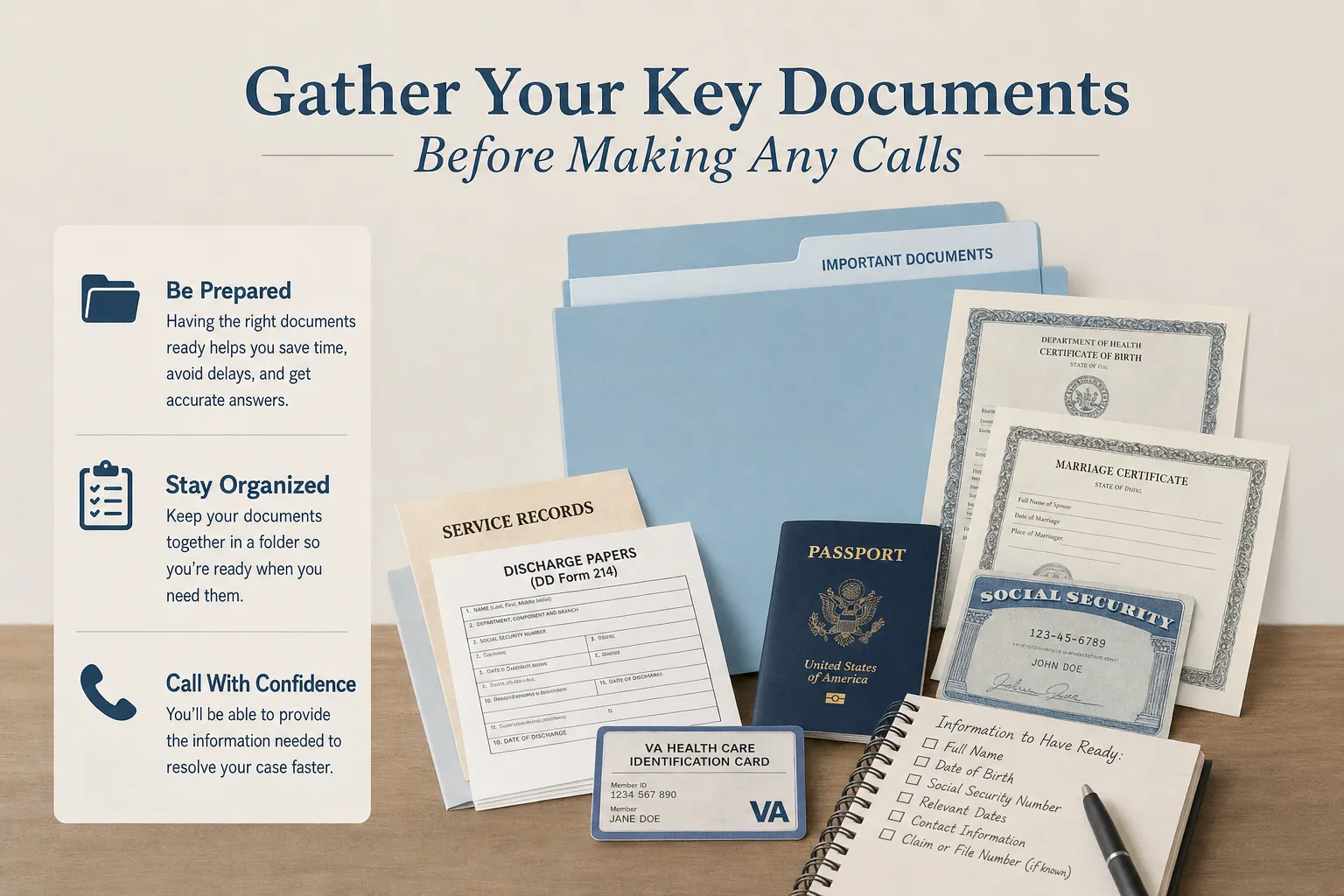
Before you call anyone, track down these documents:
- The will (and any amendments, called codicils)
- Certified copies of the death certificate (order at least 10; you will need more than you think)
- Trust documents, if any exist
- Recent bank and investment account statements
- Retirement account paperwork
- Life insurance policies
- Property deeds and vehicle titles
- Business formation documents if the deceased owned a company
- The most recent filed tax return
Paperless statements are common now, which means there may be no physical trail for accounts. If you cannot find records, note that gap before your first attorney call. The more organized you are walking in, the less you pay for that initial assessment.
Conduct a Complete Asset Inventory
Start with what you know, then work outward. A thorough asset inventory should cover nine categories: bank accounts, retirement accounts, investment accounts, life insurance policies, real estate, vehicles, business ownership, debts and credit, and unclaimed property. Missing even one can create problems later, whether that's a creditor surfacing after distribution or a beneficiary finding an account nobody knew existed.

Most statements are paperless now, so families piece things together through old tax returns, stray mail, and calls to institutions one by one. That process takes weeks and still leaves gaps.
A few areas people consistently overlook:
- Unclaimed property held by the state, such as dormant accounts, uncashed checks, and old utility deposits
- Business ownership stakes, even small or inactive ones
- Vehicles beyond the primary car: boats, RVs, ATVs, and trailers
- Old employer retirement accounts from jobs held decades ago
Document everything you find and everything you couldn't verify. Both matter when you sit down with an attorney.
Calculate Estimated Probate Costs for Your State
Probate costs money before it saves any. According to the American Bar Association, the average estate spends 3 to 8% of its total value on probate, with the process taking around 16 months. On a $300,000 estate, that's $9,000 to $24,000 gone before a dollar reaches any heir.
Costs generally fall into four buckets: attorney fees, executor fees, court filing fees, and appraisal costs. How attorney fees are calculated depends on your state. Some states, like California and Florida, set fees by statute. Others allow "reasonable" fees, giving attorneys more discretion and making costs harder to predict.
Where small estate procedures apply, those costs drop to nearly zero. No court, no attorney required, no filing fees beyond a notarized affidavit.
Research Your State's Probate Timeline and Procedures
Probate rarely moves fast. Most estates take 6 to 24 months from filing to close, depending on complexity, state law, and how backed up the local court is. Simple estates in states with simplified procedures can wrap in four to eight months. Contested estates or those with business assets can stretch well past two years.
Three things slow the process regardless of where you live:
- Mandatory creditor claim periods, typically three to six months after public notice is issued
- Court hearing schedules, which vary wildly by county and can add months of waiting
- Required waiting periods before any assets can be distributed to heirs
State thresholds also shift. Florida, for example, raised its summary administration threshold from $75,000 to $150,000 effective July 2026, meaning more estates now qualify for the faster track. Look up your state's current creditor notice period and court filing requirements before your first attorney meeting. That timeline directly affects when heirs receive anything.
Identify All Debts and Liabilities
Not all debts die with the person. Individual debts, like a credit card solely in the deceased's name, become the estate's responsibility. Joint debts stay with the surviving co-signer regardless of what the estate contains. That distinction matters before you speak to any attorney.
Work through these categories when cataloging what's owed:
- Mortgage and home equity lines
- Credit cards (both individual and joint)
- Medical bills, including any outstanding hospital or hospice balances
- Auto and personal loans
- Student loans (federal loans are discharged at death; private loans vary)
- Business debts if the deceased had ownership stakes
Most states require the estate to publish a creditor notice and hold a claim period of four to six months before assets can be distributed. Creditors who miss that window typically lose their right to collect. Knowing what's owed upfront lets you anticipate those claims instead of getting surprised mid-process.
Determine Your Executor or Personal Representative Status
Your legal standing determines everything. Being named executor in a will means nothing until a probate court confirms that appointment. Until then, you have no legal authority to access accounts, sell property, or act on the estate's behalf.
Once the court issues letters testamentary (if there's a will) or letters of administration (if there isn't), you can present those documents to financial institutions as proof of authority. Most institutions won't move without them.
If no will exists, any interested party can petition the court for appointment. Priority typically goes to surviving spouses, then adult children.
Assess Estate Complexity and Potential Complications
Most estates are simpler than families expect. Using Sunset, 98% of estates don't require a probate lawyer. But certain situations genuinely call for professional guidance.
Ask yourself whether any of these apply:
- Someone is contesting the will or disputing the named executor
- The deceased owned property in more than one state
- There are active business interests, partnership agreements, or pending contracts
- Federal estate tax may apply (estates above $13.6 million in 2024)
- A creditor is threatening litigation
- Heirs cannot agree on how assets should be distributed
If none of those fit, a simplified procedure likely handles your situation. If two or more apply, an attorney conversation is worth having before you file anything.
Prepare Your Questions and Priorities
Walking into a consultation prepared changes the conversation. You become someone asking the right questions, not someone waiting to be told what to do.
There are a few questions worth having ready before you sit down with anyone:
- How many estates have you handled in this county in the last two years?
- What's your fee structure: flat fee, hourly, or percentage of the estate?
- What's included in your base fee versus billed separately?
- How do you communicate with clients, and how quickly do you respond?
- Do you handle routine filings in-house or outsource them?
The answers tell you more than credentials do.
How Sunset Helps You Complete Most of This Preparation Automatically
Most of the preparation in this checklist can be completed before you ever contact an attorney. Sunset handles the asset search across banks, investments, retirement accounts, life insurance, real estate, vehicles, and debts, then generates county-specific probate forms for all 50 states and 3,000+ counties. The search runs after you upload a death certificate and basic identifying information.
If you do need an attorney, you'll walk in with a complete financial picture already documented. That changes the conversation from "help me figure out what exists" to "here's what we found, what do we do next?" Attorney time costs money. Preparation saves it.
Final Thoughts on Preparing Your Estate Case Before Attorney Consultations
Walking into an attorney meeting without doing the preparation work upfront turns a $500 consultation into a $5,000 discovery process. You're paying hourly rates for work you can handle yourself with the right tools. Sunset's asset search covers the nine categories outlined here and generates the probate paperwork specific to your county, all before you spend a dollar on legal fees. Get started with a death certificate and you'll have a complete financial picture in under two weeks. If you do need an attorney after that, at least you're only paying for actual legal strategy.
FAQ
Can I handle probate without a lawyer if the estate is under my state's small estate threshold?
Yes. If the total probate assets fall below your state's threshold, you can file a small estate affidavit without court involvement, attorney fees, or formal probate proceedings. Most states allow this for estates ranging from $50,000 to $184,500, depending on where you live.
What's the difference between probate property and non-probate property?
Probate property includes assets titled solely in the deceased's name with no beneficiary designation, which must go through court. Non-probate property includes accounts with named beneficiaries like life insurance or POD bank accounts, plus jointly held assets, which pass outside probate entirely.
Should I track down all assets before contacting a probate attorney?
Walking in with a complete asset inventory saves attorney time and your money. If you can document all nine asset categories (bank accounts, retirement accounts, investments, life insurance, real estate, vehicles, business ownership, debts, and unclaimed property) before making calls, your first consultation becomes more productive and less expensive.
How long does the average probate process take from start to finish?
Simple estates in states with simplified procedures take four to eight months. Most estates take six to 24 months depending on complexity, mandatory creditor claim periods (typically three to six months), court hearing schedules, and whether any heirs contest the will.
What documents do I need before I can legally access the deceased's accounts?
Financial institutions require court-issued letters testamentary (if there's a will) or letters of administration (if there isn't) before granting you access. Being named executor in a will gives you no legal authority until the probate court confirms your appointment and issues those letters.